Guide · SEO
Ranking #1, Cited Never: Fixing the Healthcare Citation Gap in AI Search
Why health pages that rank in Google often go uncited in AI answers, and what to fix first.
Key takeaways
- A health page can keep its Google ranking and still be left out of the AI answer most searchers read.
- ChatGPT leans on government health sites, while Google's AI Overviews lean on large hospital systems.
- Verifiable reviewers, linked evidence and answers that stand on their own make a page easier to cite.
On this page
The healthcare citation gap is the distance between where a health page ranks in Google and whether AI answers cite it. A page can sit in position one and still be missing from the AI Overview or ChatGPT answer above it. Think of it as being listed first in the phone book while the receptionist recommends someone else by name.
It usually shows up as a puzzling report. Condition pages keep their positions and impressions, yet clicks fall with no ranking drop to explain it. This guide covers how to confirm the gap and what to fix first. For the wider picture of how AI tools pick health sources, see our healthcare AEO and GEO guide.
Why the Citation Gap Matters
For visitors, the AI answer is often where the search ends. It gives a short summary with a few linked sources, so a visitor can get their answer without ever seeing your name.
For crawlers, ranking and citing are related but separate steps. Google says its AI features may run several related searches, known as query fan-out, and link to pages that support the answer. The cited pages don't always match the top results for the query you track.
The drop is often blamed on a ranking problem or a technical fault. When rankings are steady, the more likely cause is that an AI answer now handles the question and quotes someone else.
Health answers also carry more risk than most topics. In January 2026, Google removed AI Overviews from some medical searches after reports of misleading answers. AI tools have every reason to be choosy about which health pages they quote.
1. Check Whether You Have a Citation Gap
Start in Google Search Console, where the pattern is easy to spot once you know what to look for.
- Open the Performance report and filter to your condition, symptom and treatment pages.
- Compare the last three months with the same three months a year earlier.
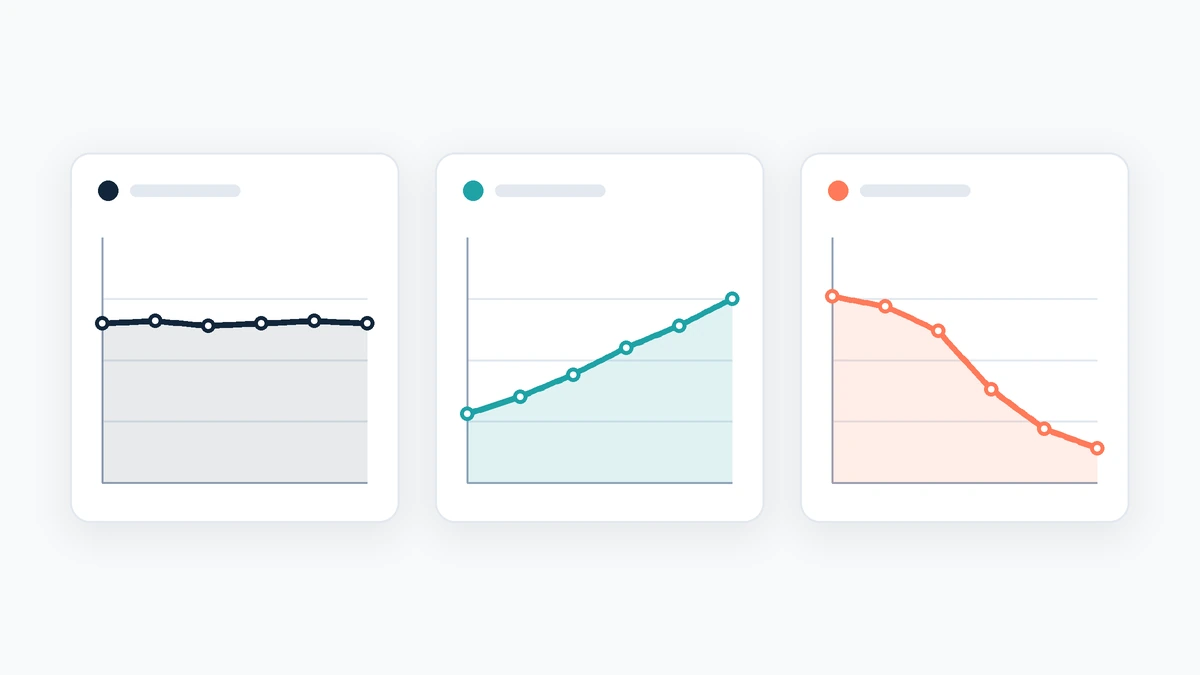
- Look for steady average position and impressions, with a lower click-through rate on question-style queries.
Queries that start with "what causes", "is it normal" or "how long does" are usually hit first.
Note
Search Console's Generative AI performance report shows AI Overview and AI Mode impressions by page. It doesn't show clicks or which other sources were cited.
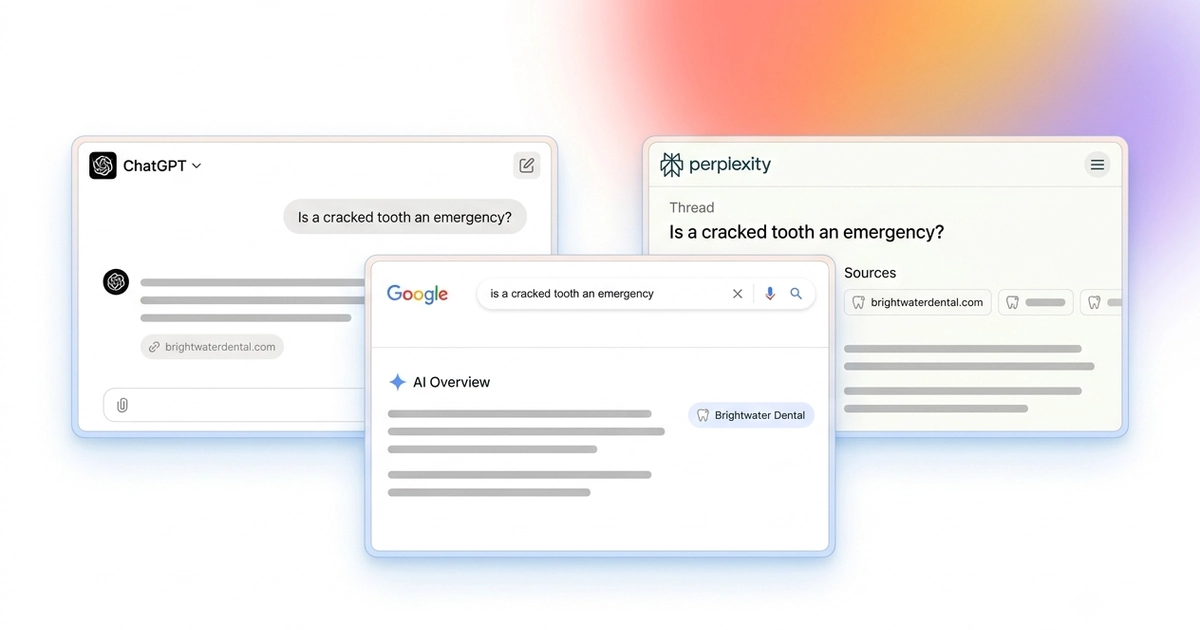
Next, run your top 20 condition queries by hand in Google, ChatGPT and Perplexity. Record which domains each answer cites. If your page ranks in the top three but rarely appears as a source, you've found the gap.
Save the queries and citations in a sheet. That list becomes the baseline you'll measure every later change against.
2. Know Which Sources Each AI Tool Trusts
The most detailed public data we found comes from BrightEdge. It tracked healthcare citations in ChatGPT, Google AI Mode and Google AI Overviews from October 2025 to January 2026. The sample covered more than 113,000 URL and prompt pairs.
| Platform | From .gov sites | From elite hospital systems | Official vs consumer sources | Week-to-week change |
|---|---|---|---|---|
| ChatGPT | 27% | About 1% | 4.2 to 1 | 2.1% |
| Google AI Overviews | About 10% | 33% | 2.3 to 1 | 20.2% |
| Google AI Mode | Not reported | Not reported | 1.8 to 1 | 17.1% |
Source: BrightEdge, healthcare citations, October 2025 to January 2026.
Official Sources Win on Every Platform
All three tools cited official sources, such as government agencies, hospital systems and medical societies, far more than consumer health publishers. Big health publishers still appear, just less often than their search reach would suggest. A small clinic blog repeating the same facts has an even harder time.
ChatGPT and Google Trust Different Kinds of Authority
ChatGPT took 27% of its healthcare citations from .gov sites and about 1% from elite hospital systems. Google AI Overviews went the other way, with 33% from elite hospital systems and about 10% from .gov.
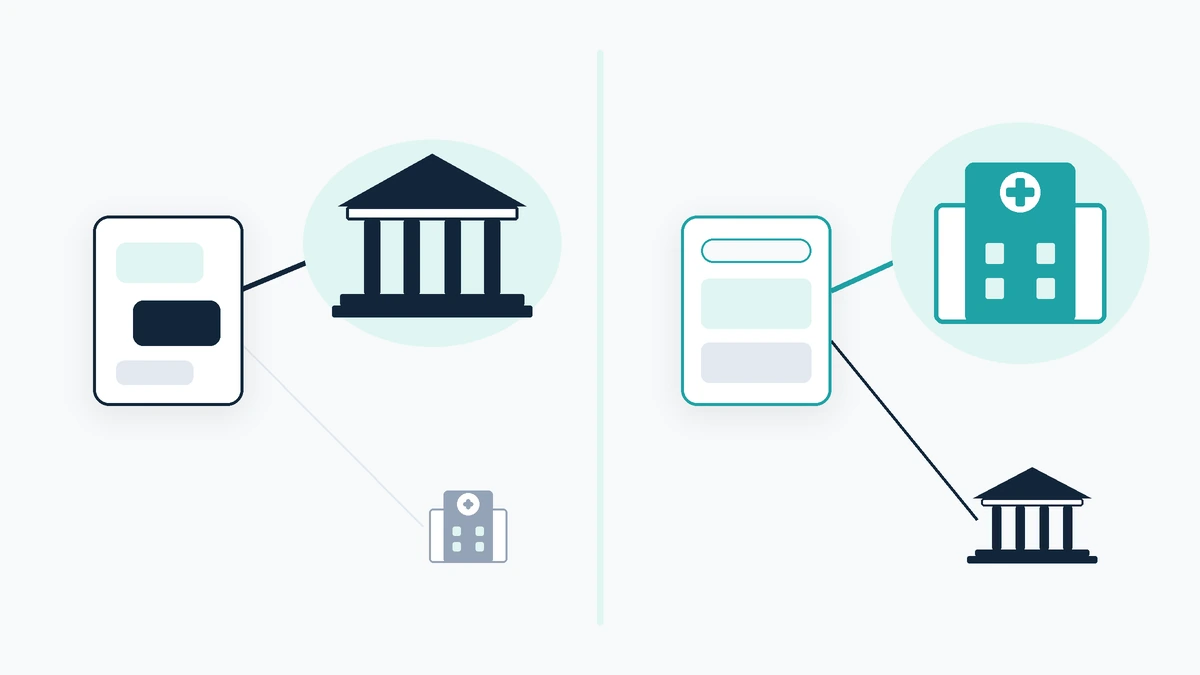
A plan built only around Google's preferences will miss what ChatGPT looks for, and the reverse is also true. That's why we track each tool on its own.
Google's Sources Change Far More Often
BrightEdge also measured how much each tool's cited sources moved from week to week. Google AI Overviews scored 20.2%, AI Mode 17.1% and ChatGPT 2.1%.
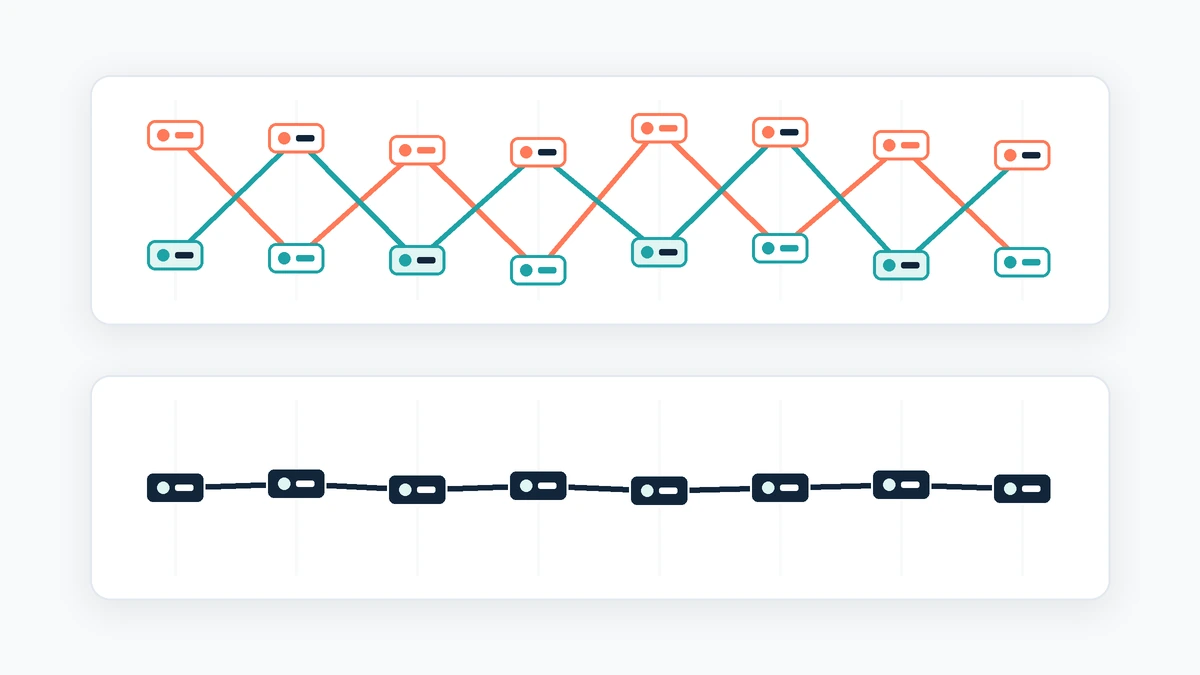
A citation in AI Overviews is easier to win and easier to lose, so one spot check tells you very little. ChatGPT's sources are more settled. Getting in may take longer, but a place there is likely to hold.
3. Make Your Reviewers Easy to Verify
The health pages that get cited share a few traits. They show who reviewed the advice, link to their evidence, answer questions in passages that stand alone, and add details only a real practice knows.
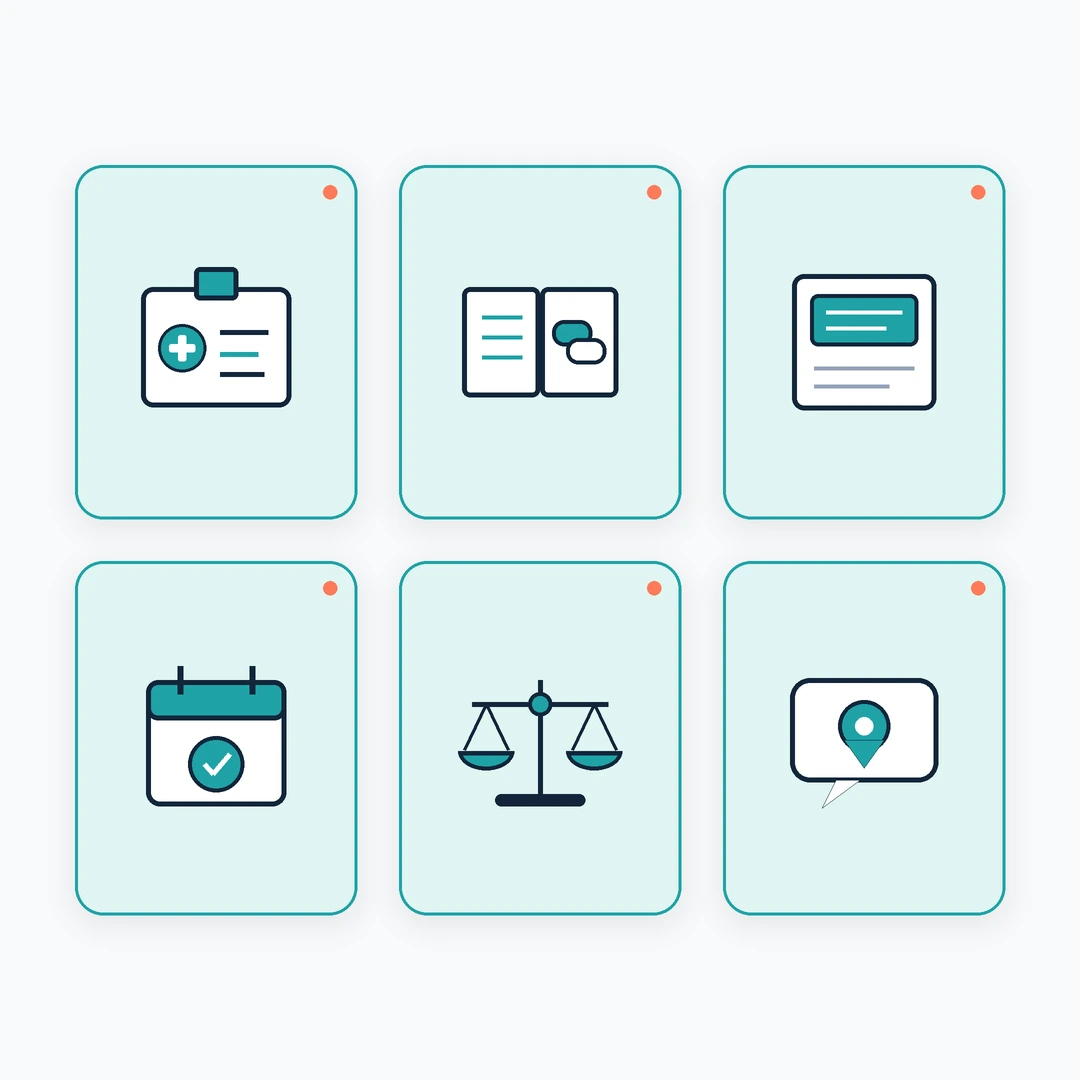
Start with the reviewer. Visitors want a name and credentials they can trust. Crawlers look for the same details in your markup and on other sites that confirm them.
- Add a "Medically reviewed by" line near the top of each clinical page, with the reviewer's full name and credentials.
- Link the name to a profile page that lists their qualifications, affiliations and publications.
- On that profile, link to places that confirm it, such as a hospital directory or a licensing board.
- Mark up the page as a
MedicalWebPagewithreviewedByandlastReviewed, and the reviewer as aPersonwithsameAslinks. - Set a review cycle of 6 to 12 months for clinical pages, and show the date the page was last reviewed.
Note
Google says its AI features have no additional technical requirements beyond normal search. Schema helps machines read details your page already shows. It can't stand in for them.
Rule of thumb
Only name a reviewer who actually reviewed the page, and update the date only when they review it again. A reviewer who can't be found anywhere else adds no trust for visitors or crawlers.
4. Lead Each Section With a Quotable Answer
AI tools quote passages, not whole pages. The passage most likely to be lifted is the short answer right under a question-style heading.
Open each of those sections with two to four sentences that make sense on their own. Name the subject, give the answer, then add exceptions and detail below it.
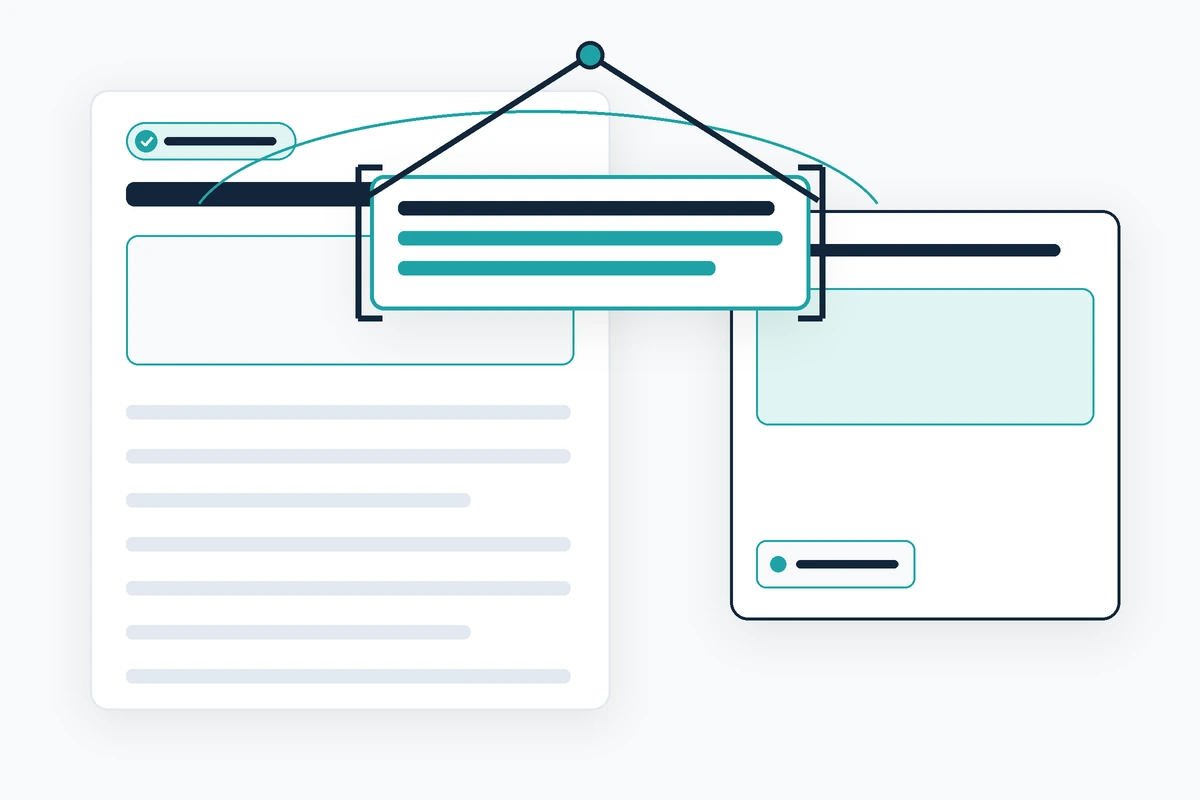
Here's the difference for a heading like "What should I bring to my first physiotherapy appointment?"
- Hard to quote: "As mentioned above, it depends on a few things."
- Easy to quote: "Bring your referral letter if you have one, a list of your current medicines and any recent scan reports. Wear loose clothing so the injured area is easy to examine."
Pro tip
Read the first two sentences of each section with everything else covered. If they don't answer the heading on their own, rewrite them, because that's the version an AI tool may show.
5. Back Every Claim With a Source AI Tools Already Trust
Link each statement about risks, outcomes or treatments to the guideline, study or agency page it relies on. Visitors get a way to check you, and crawlers can match your claim against sources they already rate highly.
Given BrightEdge's data, that means public health agency pages for ChatGPT and major hospital systems for Google. Link the specific page that supports the claim, not the homepage.
Stay close to medical consensus too. Google asks for extra care on health topics, and its rater guidelines rate health content that contradicts well-established expert consensus at the lowest quality level.
6. Add What Institutions Can't
You won't replace a national health agency's definition of diabetes. You can explain what a first appointment at your clinic involves, how your team approaches a condition, and local costs, wait times and insurance details.
Institutions rarely publish this kind of detail. It gives an AI tool a reason to cite you next to them instead of skipping you.
Mentions on trusted sites can help as well. A clinician quoted in local news, or listed in a professional association directory, gives AI tools more places that connect your name with the topic.
Read more
Our healthcare AEO and GEO guide covers the outside profiles AI tools read about a practice, and how to correct them.
7. Measure Citation Share, Not Just Rankings
Rankings and sessions won't tell you whether any of this is working. Track how often you're cited instead.
- Pick 20 to 50 condition and symptom queries that matter to your practice.
- Record which domains Google AI Overviews, ChatGPT and Perplexity cite for each query.
- Check AI Overviews weekly and ChatGPT monthly, since Google's sources move far more.
- Report the share of queries where you're cited, next to organic clicks.
AI Workflow
Paste each week's cited URLs into Google Sheets, then ask an LLM to label each domain as government, hospital system, medical society, publisher or practice. Check the labels by hand, because models sometimes mislabel smaller sites.
Judge the trend over a quarter, not a week. ChatGPT gains come slowly, and AI Overview results jump around from one week to the next.
Close the Gap With Trust You Can Show
Ranking still matters, because AI tools rarely cite pages they can't find. The step from ranking to being quoted depends on trust a machine can check, from a real reviewer to linked evidence.
For clinics, hospitals and specialist doctors, our healthcare SEO service covers this work alongside the rest of your search visibility.
FAQ
Sources and further reading
- BrightEdge: Healthcare AI citations, how ChatGPT and Google define trust differently (January 2026)
- Google Search Central: AI features and your website
- Google Search Central: Creating helpful, reliable, people-first content
- Google: Search Quality Rater Guidelines (PDF)
- Search Console Help: Generative AI performance report
- Schema.org: MedicalWebPage
- TechCrunch: Google removes AI Overviews for certain medical queries (January 2026)
How we write our guides
Written by the EEAT Media team from our own client work. Client sites are never named. A person checks every claim and source against the original before it is published, and every substantive change is dated below.
Change log
- First published.
EEAT Media is not affiliated with Google, OpenAI, Perplexity, BrightEdge or any other company named in this guide. Images are illustrations and show no real website or data.